Weighted blankets are loved for their steady, even pressure — many people find it helps them relax at bedtime. The most common complaint is heat. If that's your concern, these four factors matter most.
1. Fabric
The cover sits against your skin, so start here. Bamboo viscose, Tencel lyocell and cotton percale breathe well and feel cool. Minky and fleece covers are cozy but trap warmth — better suited to winter.
2. Fill
Glass microbeads are smaller and denser than plastic pellets, so the blanket can be thinner for the same weight. A chunky knit weighted blanket skips beads entirely for the most airflow.
3. Weight
About 10% of body weight is a common starting point. If you sleep warm, consider going slightly lighter — it often feels less stuffy.
4. Size
Choose a blanket sized for one person rather than the whole bed. It stays in place better and adds less fabric.
At a glance
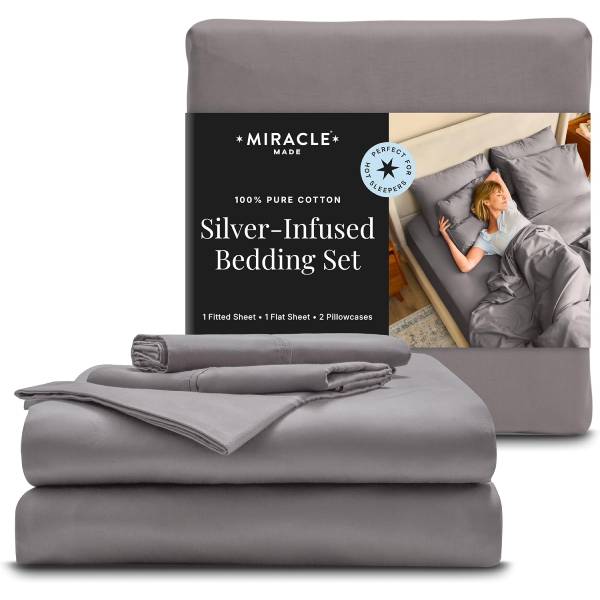
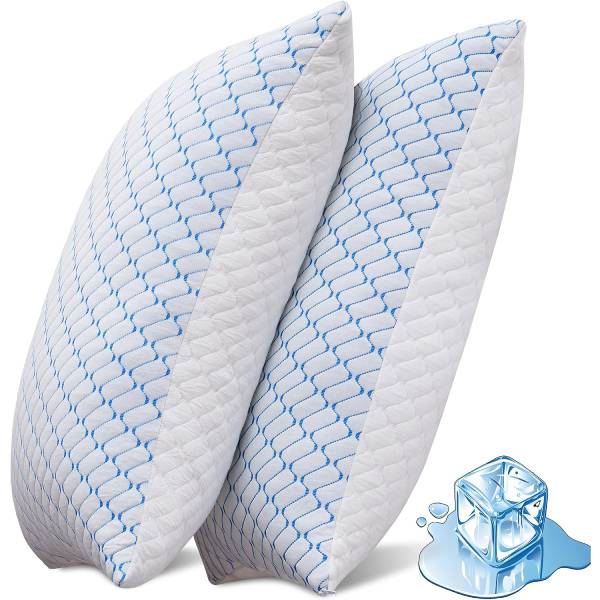
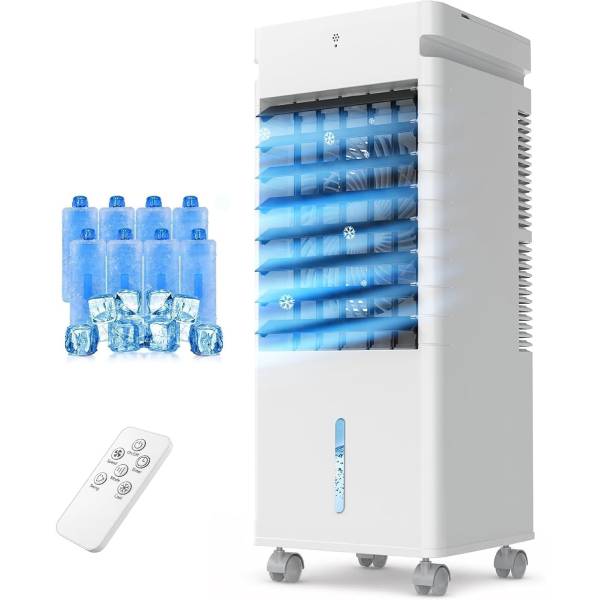
For the coolest setup, add breathable cotton sheets, a cooling pillow and gentle airflow from a fan or portable cooler.
Weighted blankets are not recommended for infants or toddlers, and children should only use one with a pediatrician's guidance. If you have a breathing, circulation or sleep-related condition, consult your doctor before use.